Kips Bay Show House – The Dressing Room

The Dressing Room from Across the Pond

Kips Bay Decorator Show House Dallas 2023

An boutique suite of sculptural elegance and quiet luxury.

Designed by Kate Kitchen, Reverie Interior Design
Featured in Veranda Magazine


A Transatlantic Invitation

As the only British designer invited to participate in the prestigious Kips Bay Decorator Show House Dallas, I created a space that was both deeply personal and quietly luxurious. Titled “The Dressing Room from Across the Pond,” the scheme drew inspiration from European elegance, British institutions, and the desire to elevate everyday rituals.

Officially selected as a featured designer for the Kips Bay Decorator Show House Dallas 2023.

A Sanctuary for Stillness and Style

Imagined as a space to pause, prepare, and reconnect, the room is layered with soft neutrals, gilded detailing, and rich textures – an environment of intimate calm. The concept began with the wallpaper: “Waves of Wood” by Philip Jeffries. With its Deco-inspired curves and metallic inlay, the design felt symbolic – echoing the glamour of The Ned, the romance of transatlantic design, and the beauty of movement and flow.

The Dressing Room — a layered blend of British heritage and European elegance.

Crafted Function Meets Curated Beauty

At the heart of the room is a bespoke walk-in closet by California Closets, designed to maximise every inch while retaining a sense of calm and cohesion. Softly illuminated shelves, dovetailed drawers, and contemporary brass hardware bring modern functionality to a classically inspired setting.

Lighting was central to the room’s emotional atmosphere. A sculptural Italian chandelier and wall sconces by Bella Figura add quiet drama and a warm, golden glow – balancing craftsmanship with timeless beauty. These elements are paired with an antique French gilt mirror and a European chest of drawers – both sourced for their patina and timeless charm – along with a softly shimmering grasscloth ceiling and a rug by Arsin, selected for their texture, provenance, and understated beauty. Finishing details, like bespoke Italian-leather hangers by Lou Hansell, add a quiet layer of craftsmanship and care – elevating the everyday through refinement.

Design with Meaning

This room captures the essence of what interior design can do: transform the practical into something poetic. It was a privilege to bring a thread of European sensibility to Texas – a gentle blend of heritage and modernity – and to contribute to a showhouse I’ve long admired.

“A balance of contemporary and traditional elements… as sumptuous and luxurious as the modern client deserves.”
Veranda

Custom wardrobe system by California Closets with softly lit shelving, bespoke dovetail drawers, and contemporary brass hardware. Shoes and accessories displayed like sculpture – open shelving turns daily function into elevated form.

An Antique French gilt mirror and sculptural Bella Figura chandelier bring quiet drama to the charcoal backdrop. A softly shimmering grasscloth ceiling and Italian chandelier set the tone for stillness and elegance.

Concept Collage

Design Concept Board

“Waves of Wood” wallpaper by Philip Jeffries – its Deco curves and metallic inlay reference The Ned’s glamour and the room’s transatlantic inspiration.

Visual references drawn from London institutions and continental elegance, including The Wolseley and The Connaught.

Where quiet luxury and layered design come together to elevate the everyday.

Design Approach

How did you approach the design of this space?

This project was conceived as an immersive, atmospheric environment rather than a purely decorative interior. The design focused on proportion, material contrast, and emotional tone, creating a space that felt both composed and quietly dramatic.Rather than referencing trends, the approach drew on classic architectural language, layered textures, and a restrained palette to create a room that invited pause and reflection within a highly public setting.

What were the key considerations for a showhouse environment like Kips Bay Dallas?

Designing for a showhouse requires clarity of concept and confidence of execution. The space needed to communicate a strong design narrative while remaining coherent, balanced, and liveable.Careful attention was paid to flow, sightlines, and sensory experience, ensuring the room felt resolved from multiple viewpoints while still offering moments of intimacy and detail on closer inspection.

Hadley Yates – Covent Garden

Covent Garden, London

A Heritage Retreat for Modern Transformation

Reverie Interior Design was entrusted with shaping the identity and interiors for Hadley Yates Salon across three central London locations. From the original concept in Fitzrovia to the realised salons in Covent Garden, each space reflects a seamless evolution of Hadley’s ethos: making the unnatural feel natural.

The Original Vision – Charlotte Street, Fitzrovia

The journey began with the flagship concept for Hadley Yates’ Fitzrovia salon. Although ultimately unbuilt, this project established the creative DNA for the brand. Working within a compact heritage building, I developed the full space plan, moodboards, and 3D studies – collaborating closely on early signage and logo styling. The design language introduced softly layered textures, sage green tones, and a bold monochrome edge, setting the tone for every location that followed.

“Even though the salon never opened here, the conceptual groundwork laid the foundation for everything that came after.”

Curated Touches & Interior Language.

Creating a Signature Aesthetic

Visual Identity & Brand Language

To complement the interiors, we crafted a visual identity that echoed the salon’s refined yet approachable ethos. From early logo concepts to signage and font direction, every detail was designed to feel timeless, minimal, andquietly confident – a brand language that would sit naturally within heritage spaces while standing out withcontemporary clarity.


Spatial Development Drawings

Early layout exploration in response to heritage constraints and compact proportions


Monmouth Street – Boutique Salon Realised

The inaugural salon, located on Monmouth Street in Covent Garden, was designed to evoke the welcoming feel of a stylish apartment that just happens to be a salon. Despite the compact proportions, the space featured an ornate doorway and charming views into a secluded internal courtyard. With no room for a traditional reception area, we creatively incorporated a long bench-style window seat for greeting guests and handling admin tasks. The interiors were carefully layered with olive trees and curated artworks—some pieces nostalgic, others distinctly edgy – reflecting Hadley’s personal aesthetic. Rich saddle leather upholstery evoked a subtle equestrian heritage, while heritage tones of sage, cream, and oak created a grounded, confident palette that felt both relaxed and refined. These elements came together to form a tactile, unpretentious sense of luxury. I led the interior architecture, space planning, moodboard development, and bespoke joinery design, as well as co-creating the final logo and signage – details that became central to the salon’s identity and storytelling.

“Super prompt, efficient and creative—we couldn’t have done it without you.” – Hadley & Paul, Co-Founders, Hadley Yates Salon 


Shelton Street – Evolving the Identity As Hadley Yates grew, the brand moved to a larger two-storey space on Shelton Street. I adapted the established design language to suit the new site – securing planning permission for relocating the original signage and designing a discreet new swing sign in keeping with the listed façade (painted in Dulux Heritage Raven’s Flight). The interior introduced a new reception area, new treatment zones and elevated guest experiences with sculptural curved mirrors, warm leather seating, and thoughtful zoning for comfort and privacy.

“ It was important that the original design intent carried forward – a seamless evolution, not a reinvention.”


Scope of Work

  • Creative direction and concept development across all sites
  • Full space planning and 3D layout studies
  • Moodboard and palette design
  • Bespoke joinery and furniture specification
  • Heritage façade and signage design, including planning submissions
  • Visual language and brand identity collaboration
  • Ongoing consultancy as the brand evolved
  • Editorial Recognition

The Hadley Yates salons have been celebrated in leading industry publications for their blend of heritage sensitivity, tactile materials, and innovative approach to salon design. Each space is a sanctuary – at once transformative, memorable, and deeply considered.

Explore the gallery and moodboards to see how Reverie brings heritage, identity, and understated luxury to life.

Proposed elevation for Hadley Yates Shelton Street salon, illustrating refined signage details and heritage-approved colours. Attention to detail ensured seamless integration with the historic façade, reinforcing the brand’s understated elegance.

A Brand in Motion

Designing Identity Through Space

This was more than a salon fit-out – it was the evolution of a brand. From early concept sketches to realised spaces across London, the project reflects how thoughtful design can adapt to different settings while staying true to a distinct creative vision. Every detail, from logo to layout, became part of a cohesive story.

Now accepting select commercial commissions

Specialising in boutique retail, wellness, and heritage-aligned brand spaces.

Design Approach

How did you approach the design of the Hadley Yates salons?

The design was approached as a brand environment rather than a purely functional salon. The aim was to create a space that felt confident, creative, and distinctive, while remaining calm and welcoming for clients.

Proportion, material contrast, and atmosphere were carefully considered to support both the client experience and the working rhythm of the salon, ensuring the spaces feel composed, energetic, and purposeful.

What were the key considerations for a commercial salon environment?

Functionality and flow were essential. The layout needed to support efficient movement, clear sightlines, and practical working zones, while still feeling visually resolved and intentional.

Durable materials, considered lighting, and a restrained palette were used to balance performance with elegance, allowing the salons to function effectively day to day while expressing a strong, cohesive brand identity.

Frenchay Park Gardens

Coming Soon – South Gloucestershire

A layered transformation blending English heritage, botanical calm, and quiet luxury.

Currently in development, this project reimagines a much-loved care home in Frenchay as a place of beauty, comfort, and dignity. Drawing on English garden traditions and a refined, heritage-inspired palette, the design introduces warmth and familiarity through soft layering, botanical references, and gentle transitions between spaces.

From the welcoming entrance hallway to the sitting and dining rooms, each zone is designed to nurture well-being and evoke a sense of calm continuity.Every detail – from panelling and wallpaper to lighting and artwork – contributes to a cohesive atmosphere of restorative elegance and emotional resonance.

This phased transformation reflects Reverie’s belief that care environments can be both uplifting and deeply human – homes shaped by comfort, character, and quiet grace.

Imagery shown reflects conceptual design direction during the development phase.

Conceptual Direction


Unified Vision for the Home

The conceptual direction establishes a unified vision for Frenchay Park Gardens – one that celebrates English heritage through a gentle, botanical lens. Rooted in tradition yet softened by modern sensibility, the palette blends floral motifs, muted tones, and tactile layering to create an atmosphere of warmth, familiarity, and quiet refinement.

A palette inspired by tradition, grounded in comfort.
Floral heritage and botanical charm form the heart of the home’s decorative language – refined, timeless, and quietly uplifting.

Entrance Hallway and Corridors – Decorative Direction

Design boards for the main hallway and corridor – exploring texture, tone, and botanical motifs within a restorative palette.

Sitting & Dining Room – Decorative Direction

A continuation of the home’s botanical narrative – soft, layered, and welcoming.
The sitting and dining spaces build on the same refined English palette, introducing a warmer tonal depth and relaxed elegance for daily living.

Concept Imagery – The Botanical Narrative

A study in English botanical heritage – exploring light, texture, and calm refinement through layered design.

Concept imagery exploring the botanical narrative – from grand gestures and mirrored symmetry to intimate, tactile details inspired by English garden design.

Phase one implementation will focus on the entrance and corridor schemes – setting the tone for a cohesive and uplifting home.

Tim: description for the portfolio image page:

Currently in development – a layered exploration of comfort, quiet elegance, and restorative living.

Design Approach

What is the design intention for Frenchay Park Gardens?

The design direction for Frenchay Park Gardens is focused on creating calm, legible interiors that feel supportive, composed, and quietly uplifting. The intention is to balance clarity and warmth through proportion, material choice, and considered decorative layering.Rather than introducing overt statements, the scheme prioritises coherence, comfort, and longevity, allowing the spaces to feel settled and reassuring as they evolve.

How does the conceptual approach inform the decorative schemes?

The decorative schemes are developed as an extension of the overall concept, guided by atmosphere rather than surface decoration alone. Colour, texture, and pattern are introduced with restraint, ensuring each element supports the emotional tone of the space.This approach allows the interiors to feel thoughtful and cohesive from the outset, while remaining flexible as the project progresses toward completion.

Frenchay Park Gardens is currently in development. Further imagery will be shared as the project progresses.

Country House Master Suite

Country House Master Suite


An elegant countryside master suite blending British heritage meets European refinement – a study in proportion, light, and quiet luxury.

A Calm, Layered Vision for a Sussex Retreat

An elegantly layered master suite capturing the quiet elegance of the English countryside.

Grounded in tradition yet refined through a modern lens, this master suite captures the quiet elegance of the English countryside with a timeless, layered sensibility. Soft textures, floral heritage prints, and a palette of rose, putty, and sage create a setting that feels both grounding and gently elevated.

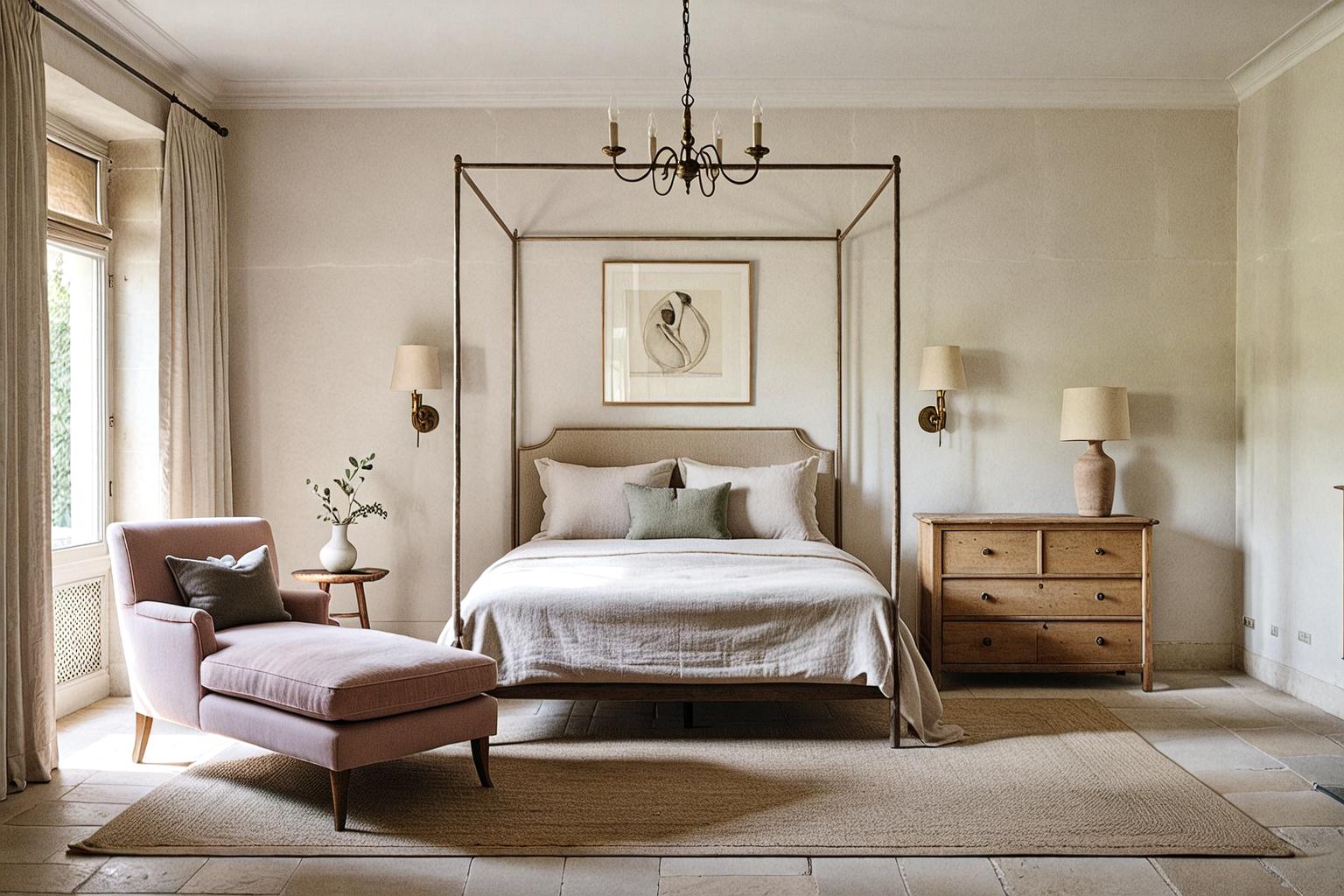
Originally conceived for a private residence, the design began with a single fabric – Lewis & Wood’s Vallance in Myrtle Pink – the seed from which the entire scheme grew. Layered linen, oak, and antique forms bring warmth and depth, while symmetry and natural light evoke a calm sense of proportion and timeless comfort.

Curated Elements
A sculptural chaise, minimalist chandelier, and antique-style canopy bed anchor the composition – a quiet balance of heritage and modern refinement that reflects Reverie’s belief in spaces designed to restore.

Moodboard & Palette
A study in texture, tone, and atmosphere. The visualisation explored how rose, sage, and natural oak could form an expressive yet understated harmony – a layered calm at the heart of the Reverie aesthetic.

Lewis & Wood’s Vallance in Myrtle Pink
Curated Elements
Moodboard & Palette

Imagery shown reflects conceptual design direction during the development phase.

[wpv-view name=”project_nav”]

Design Approach

What was the intention behind this master suite concept?

This concept was developed as a study in calm, proportion, and restoration. The intention was to create a private retreat that feels grounded and composed, where atmosphere is shaped through balance, materiality, and light rather than overt design gestures.

The suite was imagined as a place of pause – a space that supports rest and retreat while remaining elegant, layered, and quietly refined.


How did material and colour inform the design direction?

The scheme evolved from a single fabric, allowing colour and texture to lead the design organically. Soft rose, sage, and putty tones were layered with linen, oak, and antique forms to create warmth without heaviness.

Symmetry, gentle contrast, and natural light were used to establish a sense of rhythm and ease, resulting in a palette that feels expressive yet restrained – a considered harmony rather than a statement.

Kensington Residence

Kensington Townhouse – A Scandinavian-Inspired London Oasis

Project Overview

This project involved the complete structural renovation of a three-story townhouse in Fulham/Kensington, transforming it from a series of separate apartments back into a cohesive, single-family home. The property had remained untouched for many years, requiring extensive reconfiguration, contemporary upgrades, and a thoughtfully layered interior scheme.

The client envisioned a calm, ordered retreat that reflected her love of Scandinavian simplicity and minimalist living, while also allowing space to display her curated art collection. It needed to be a sanctuary from a demanding career – elegant and serene, yet warm and welcoming for gatherings with family and friends.

Design Concept & Aesthetic

The design was driven by clean architectural lines, natural materials, and a refined sense of proportion. Every element was chosen to evoke clarity, calm, and quiet sophistication.

Key features included:

• A reconfigured layout that improved flow between rooms and enhanced natural light.

• Minimalist detailing with subtle textures and warm, organic finishes.

• Bespoke storage solutions that kept spaces effortlessly tidy and serene.

• A muted, tonal palette enriched with soft lighting and natural wood tones.

• Art displays integrated seamlessly into the design to celebrate the client’s collection without overwhelming the space.

Navigating Structural & Design Challenges

Reuniting the home into a single residence involved careful spatial planning and strategic design. The original layout was fragmented and inefficient, requiring:

• Structural changes to open up and reconnect rooms in a cohesive flow.

• A lighting strategy that combined natural and artificial sources to create softness throughout.

• Material selections that balanced minimalist restraint with warmth and tactility – avoiding sterility, while maintaining a sense of purity.

Curated details: a sculptural lamp, layered textures, and a statement piece of art.

Muted tones, soft textiles, and framed art carry through into the serene ensuite.

Before & After: Kensington Apartment Transformation
From tired rental finishes and outdated carpets to a calm, curated space with timeless detailing. This city apartment was fully reimagined for modern living – balancing warmth, light, and quiet elegance.

Outcome & Lasting Impact

The result is a refined London sanctuary – calm, contemporary, and emotionally attuned. Scandinavian principles meet timeless elegance, creating a space that supports both peaceful solitude and joyful entertaining.

This project reflects my ability to transform heritage properties into functional, modern homes that feel both deeply personal and beautifully composed.

Design Approach

How did you approach the design of this Kensington townhouse?

The design was guided by a desire to create calm and clarity within an urban setting. The townhouse was approached as a layered but restrained environment, where proportion, light, and material quality were used to soften the pace of city living.Scandinavian principles of simplicity and balance informed the layout and palette, allowing the spaces to feel composed, open, and quietly welcoming.

What were the key considerations for a London home of this nature?

Light, flow, and functionality were central considerations. The design needed to support everyday living while maintaining a sense of visual coherence and ease throughout the home.Careful attention was paid to circulation, sightlines, and material continuity, ensuring the townhouse feels connected from room to room while remaining elegant, practical, and comfortably lived in.

Historic Apartment – West Sussex

Summers Place

A stately space softened with comfort, restraint and quiet refinement.

A Grand Country Sitting Room in a Historic West Sussex Apartment

The apartment is located within this historic former Sotheby’s building in West Sussex, offering a dramatic architectural backdrop and views over landscaped grounds.

A layered, intimate living space – refined, relaxed, and rooted in heritage.

Set within the historic former Sotheby’s building in West Sussex, this grand apartment offered an extraordinary architectural canvas and a significant private collection of antiques. The brief was to respect the room’s formal architecture and the client’s collected antiques, whilst introducing a greater sense of comfort and harmony – creating a room that felt both elegant and livable – a place to relax, gather, and feel at home.

Working closely with the clients and their inherited pieces, we developed a scheme that layered relaxed seating, curated lighting, and refined materials to soften the more museum-like quality of the room. Where possible, original architectural features were revealed and grounded with textural accents. The design also sensitively incorporated the clients’ existing window treatments and beloved furnishings, offering a space that feels timeless, personal, and quietly luxurious.

In keeping with the client’s privacy, interior photography remains limited. The visuals shown offer a considered glimpse into the design narrative through planning layouts, moodboards, and material direction.

Early visual research set the tone for a design that embraced quiet formality and a softened, lived-in elegance.

A palette of faded glamour and rich jewel tones – italianate formality meets relaxed English elegance.
Planning and Concept Visuals

Early planning visuals focused on balancing formality and flow, with carefully considered zones for conversation, reading, a desk area, and display.

Design Details

  • Warm antique tones, botanical accents, and sculptural furniture silhouettes
  • Juxtaposition of rich velvets, natural linens, and layered textures
  • Curated artwork and heirloom pieces provide soul and patina
  • Retained archways and enriched paneling detail the room’s provenance, adding depth and classical structure.

Design Approach

How did you approach the design of this historic West Sussex apartment?

The approach centred on respecting the scale, proportion, and formality of the historic setting while softening the interior for contemporary living. Rather than competing with the architecture, the design works in quiet dialogue with it – allowing patina, symmetry, and inherited character to lead.

The aim was to create a composed, generous sitting room that feels lived-in and welcoming, balancing grandeur with comfort and ease.

What were the key considerations for working within a historic building of this nature?

Preserving architectural integrity was essential. Original detailing, volume, and sightlines were carefully considered, with new layers introduced to enhance warmth, depth, and usability rather than overwrite the building’s history.

Material choice, colour, and furniture placement were used to temper formality, ensuring the apartment feels elegant but relaxed – a space suited to both everyday life and quiet entertaining.

Victorian Country House – Sussex

Sussex Retreat – Victorian Country Elegance Reimagined

Situated in the South Downs National park and on the edge of the Surrey Hills outstanding area of natural beauty. this historic property has been given a modern refresh – honouring traditional country living with a refined, contemporary sensibility.

Design Approach

How did you approach the design of this Victorian country retreat?

The design approach focused on reinterpreting traditional country living through a quieter, more contemporary lens. Rather than restoring the house to a specific period moment, the aim was to retain its Victorian character while introducing clarity, balance, and ease.Proportion, light, and spatial rhythm were carefully considered to ensure the home feels settled and coherent, allowing heritage features to sit comfortably alongside modern interventions.

What were the key considerations for a historic property in this landscape setting?

The surrounding landscape played an important role in shaping the interior atmosphere. Materials, tones, and textures were selected to feel grounded and natural, creating a strong sense of connection between the house and its rural context.The design balances formality with comfort, ensuring the home supports everyday living while retaining a sense of elegance and restraint appropriate to its setting within the South Downs and Surrey Hills.

Sussex Country House

A full Interior reimagining of a Regency estate in East Sussex

This East Sussex country house – later sold to a notable British actor – was featured in 25 Beautiful Homes and marked a pivotal early project in our porfolio.

One of our earliest whole-home restorations, this Regency country house laid the foundation for our enduring appreciation of heritage architecture and balanced proportion.

Designed over a decade ago, this Regency property in a beautiful countryside setting required a complete renovation across both floors.  Working in collaboration with a team of architects and builders, the interior was reconfigured to connect the former service wing to the principal reception rooms and create the large, light filled kitchen, dining and living space suited to modern family life. The result is a harmonious home that feels both generous and grounded – where period architecture is balanced with considered, contemporary living.

Design Approach

How did you approach the reimagining of this Regency country house?

The approach was guided by a respect for Regency proportion and architectural clarity, paired with the practical needs of contemporary family life. Rather than treating the house as a series of formal rooms, the design focused on improving flow, light, and connection across the home.By reconfiguring circulation and opening relationships between key spaces, the interior was allowed to feel generous and coherent while retaining the discipline and balance inherent to the original architecture.

What were the key considerations when restoring and modernising a historic estate of this scale?

Preserving the integrity of the building was essential. New interventions were carefully considered to support modern living without disrupting the rhythm or hierarchy of the original plan.Material choices, spatial transitions, and detailing were used to bridge old and new, ensuring the home feels grounded, calm, and liveable – a balance between heritage character and contemporary comfort.

Battersea Apartment – Modern London Living

Battersea Power Station Apartment

A playful, personality-filled apartment in the heart of London’s most iconic redevelopment.

This modern London home celebrates bold vintage finds, colour confidence, and layered styling. Designed for a creative professional, the space pairs mid-century influences with contemporary ease – blending sculptural pieces, joyful textiles, and a few unexpected twists. Set within the Grade II listed Battersea Power Station, this project reflects the new energy of a landmark reborn.

A bold first impression, echoing the eclectic, spirited energy of the home.

Living Space & Entertaining

A vibrant living space designed for conversation and creativity – where colour, texture, and form collide.

Bedroom Retreat

Balcony Moment

A peaceful pocket of nature in the city – the balcony becomes an urban garden retreat.

Project Summary


Residential apartment styling and furnishing
Location: Battersea Power Station, London
Scope: Furniture sourcing, decorative styling, vintage sourcing, colour consulting
Timeline: 6 weeks
Styling Focus: Bold colour, vintage furniture, layered textiles

Design Approach

What was the intention behind this apartment’s design?
The intention was to create a home that feels expressive, personal, and full of energy – a space that reflects creativity rather than restraint. Designed for a client who enjoys colour, vintage finds, and layered styling, the apartment was conceived as a place to live boldly while remaining considered and cohesive.

How did the setting influence the design direction?
Set within the iconic Battersea Power Station, the architecture provided a strong contemporary framework. Rather than soften this identity, the design responds to it through contrast – pairing clean modern lines with sculptural mid-century furniture, confident colour, and tactile materials to bring warmth and personality into the space.

What role did colour and texture play in shaping the atmosphere?
Colour was used as a defining tool – not as decoration, but as structure. Rich tones, joyful textiles, and layered patterns create rhythm and movement throughout the apartment, while natural materials and vintage pieces ground the scheme and prevent it from feeling overly styled.

How was day-to-day living considered in the design?
The apartment was planned with real life in mind: spaces for entertaining and conversation, quieter moments for retreat, and a bedroom that feels softer and more intimate. Lighting, artwork, and furniture placement were carefully considered to guide mood and flow, allowing each area to feel distinct yet connected.

What defines the finished result?
The finished interior is playful yet composed – a modern London home that balances confidence with comfort. It is a layered, characterful space that celebrates individuality while remaining thoughtfully edited and enduring.

Rathbone Square

Rathbone Square, London W1

A luxurious elegant apartment situated in Fitzrovia and set within a prestigious new development in London’s West End. The brief was to create a comfortable home for International Clients when visiting the city. Somewhere that reflected their love of art, design and colour, and where they could relax and entertain family and friends.

Design Approach

What was the intention behind the design of this London apartment?

The apartment was conceived as a refined London base for an international couple – a place that felt comfortable, expressive, and quietly glamorous. The intention was to create a home that could support both relaxation and entertaining, while reflecting the clients’ love of art, culture, and city life.

Rather than feeling transient or purely functional, the space was designed to feel layered and personal – a composed retreat within the energy of central London.

How did the context of a new-build influence the design approach?

Set within a prestigious new development, the apartment began as a neutral, architectural shell. The challenge was to introduce warmth, character, and identity without overwhelming the clean lines of the space.This was achieved through confident use of colour, sculptural furniture, and carefully curated artwork, allowing the interior to feel expressive and considered while remaining elegant and balanced.

What defines the atmosphere of the finished home?

The final scheme balances boldness with restraint. Mid-century influences, tactile materials, and layered textiles bring richness and personality, while careful editing ensures the apartment remains calm and cohesive.The result is a vibrant yet refined interior – a London home that feels both cultured and inviting, designed to be lived in, shared, and enjoyed.