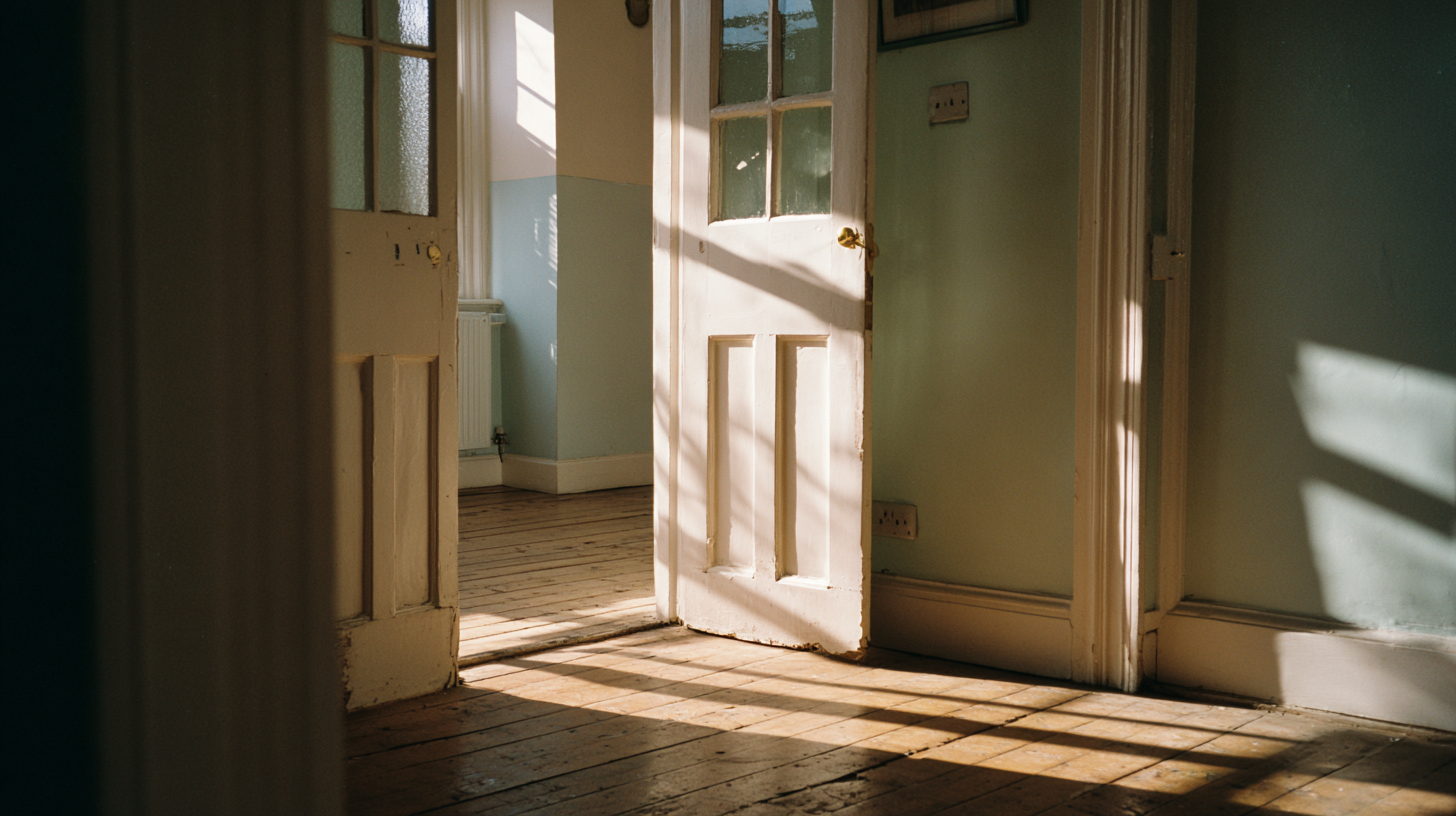
There are places that stay with us.
Not always as clear memories, but as something looser – a feeling that returns at odd moments. A window left open. A teapot on the breakfast table, not yet cleared.
You don’t always remember the details, but something of the place remains.
The Welsh have a word for this: hiraeth.
It is often translated as longing, or homesickness, but neither quite captures it. Hiraeth is not simply missing something. It is the awareness that what you are remembering is no longer somewhere you can return to in quite the same way.
A place, a time, a version of your life, all held together.
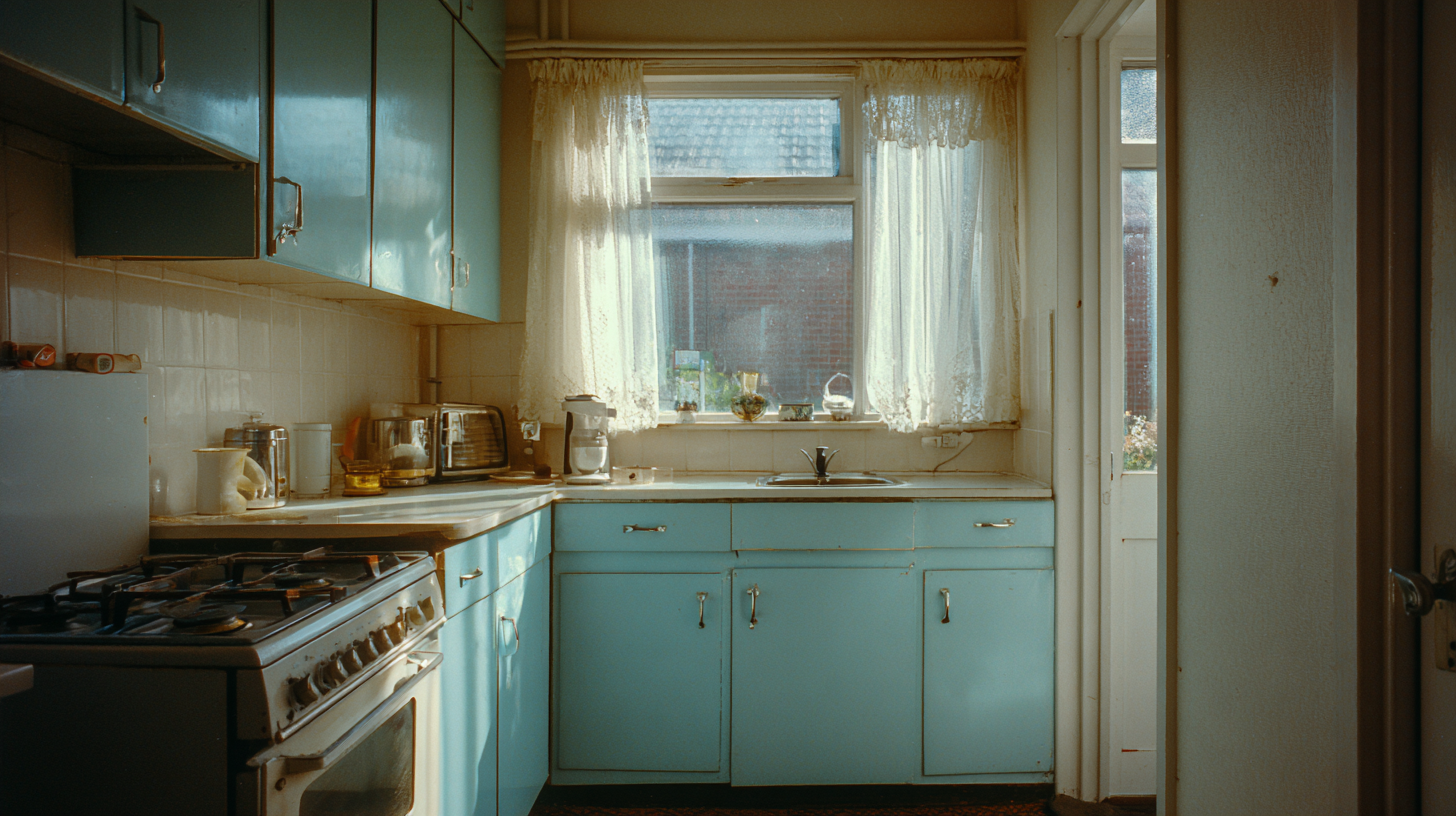
My grandmother’s kitchen was small. Pale blue cabinets, frosted glass, her china on a shelf with the teapot always within reach. She made Welsh cakes on a griddle, and lit the gas grill to make us toast – the sound of the flame catching, the smell of sugar and butter, the quiet of a morning that belonged to the two of us, the kettle beginning to whistle in the background.
I could tell you, even now, exactly how it felt to be there.
What distinguishes hiraeth from nostalgia is its weight. Nostalgia is something we can revisit at a distance. Hiraeth does not sit at a distance; it stays much closer than that.
It carries with it the understanding that something has shifted – that a place once inhabited fully now exists only in part.
And it is often connected to ordinary spaces.
Not the places we photograph, but the places we have simply lived in.
A kitchen where daily life unfolded without ceremony. A flat lived in for years. A room that held a phase of life that has since ended. These are the that spaces stay with us.
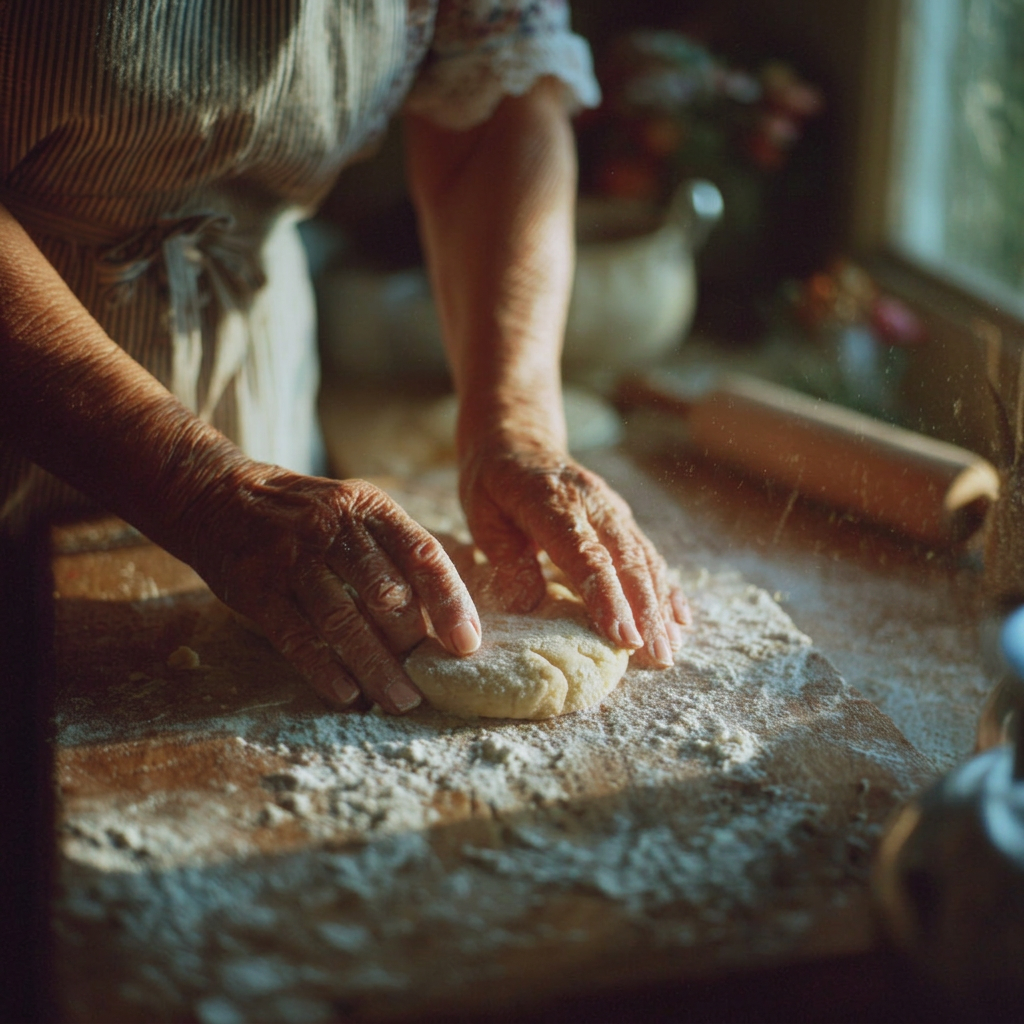
Over time, these places take root in us. Not as fixed images, but as a sense of what a space can be.
The way a room shifted with the day. A day unfolding within it. And how if felt to be there, without you ever needing to think about it.
At some point, we leave those spaces behind.
What remains is not the place itself.
It is the way it carries on inside us.
Some homes are unfinished stories. We leave them before we are ready, and they continue in us long after the keys have changed hands – in the way we set a table, or move through a hallway, or reach for a lamp without thinking.
That is where hiraeth matters.
The spaces we have known do not end when we leave them. They continue, altering how we understand everything that comes after.
We look for something we cannot quite name.
A quality of light.
A sense of time.
A way of living that once felt complete.
This is not always a question of taste.
More often, it is a question of continuity – made of rooms we have loved, habits we have kept, the sense of a morning in a kitchen we no longer have access to. It is the accumulated knowledge of what a home should feel like – gathered over a lifetime, and carried into every new room we try to make our own.
What we carry from these places is not the room itself, but the conditions it created – how mornings felt, how evenings drew in – and that remains long after the space has gone.
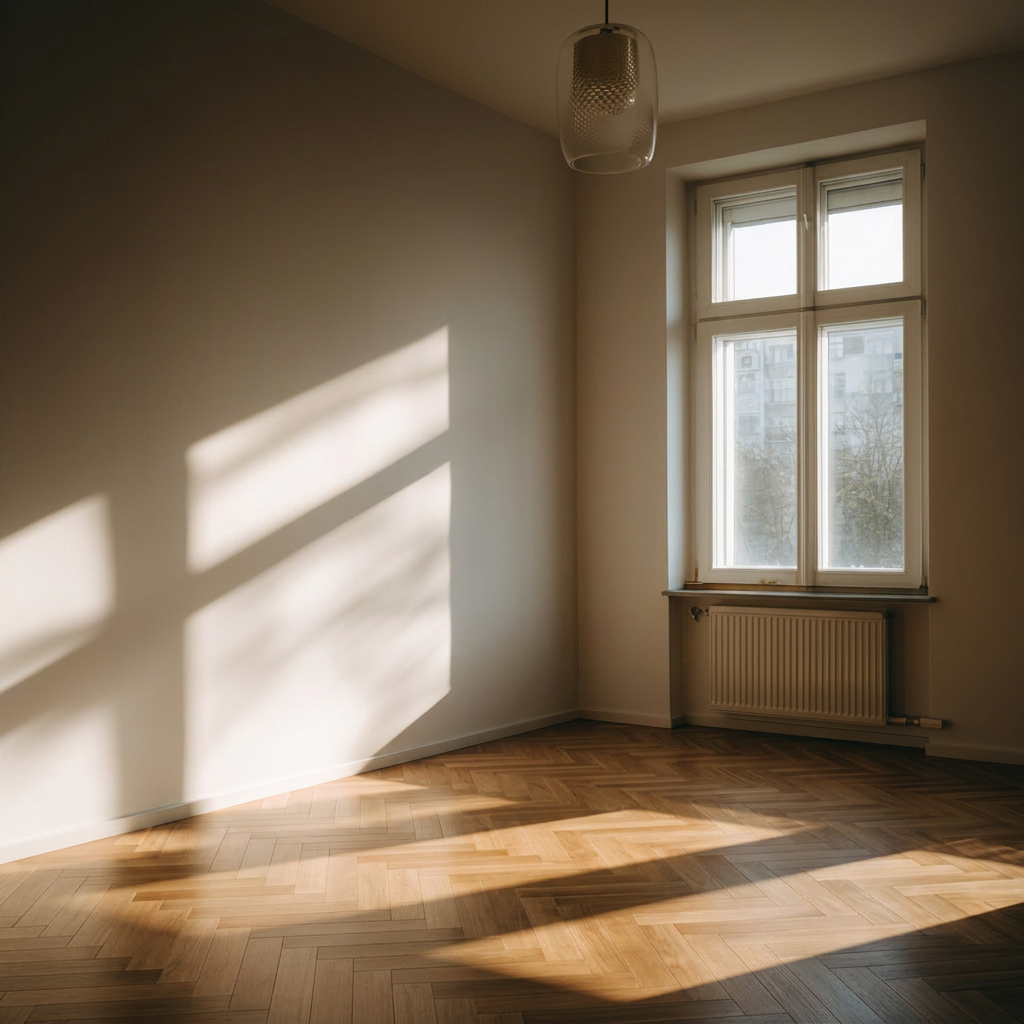
In a new home, a subtle mismatch can appear.
The space may be well proportioned and thoughtfully designed. And yet it holds you at arm’s length. It does not yet feel like a place you can really belong.
We are not only responding to the room in front of us. We are responding to every room that came before it – to the spaces that shaped our understanding of what home feels like. The light we lived with. The pace of a day. The particular way a space held conversation, or silence.
When those conditions are absent, or replaced too completely, something feels unresolved.
And so we begin, often without realising it, to look for them again.
Not in an exact way. Not by recreating a previous house. But in smaller, subtler ways – a certain quality of light, the way things are arranged, a way the room opens up or gathers in that echoes something known.
This is not nostalgia.
It is continuity.
And it is part of what makes the work of designing a home more complex than arranging objects or refining a palette.
Because the question is not only how a space should look, but what it needs to carry forward.
Design cannot recreate what has been lost. It cannot return us to a particular time, or rebuild a life that has already moved on. But it can shape what happens to time within a space.
Whether a room feels fixed, complete, and closed – or whether it allows for continuation. For change. For the accumulation of life.
A space that is overworked or over-finished leaves little room for anything beyond what is already there. Everything has been resolved too completely. There is nothing left to absorb what comes next.
By contrast, a space that allows for change – for wear, for adjustment, for the gradual imprint of living – can hold more.
Not just objects, but time itself..
This does not depend on the building. It applies as much to a rented flat as to a family house; as much to a place lived in briefly as to one inhabited for decades. What matters is not the status of the space, but its capacity to continue.
That is where depth comes from.
Not from age, and not from expense, but from time honestly spent.
Hiraeth reminds us that the places that shape us most are not always the ones we remain in.
They are the ones that continue – altering what we notice, what we return to, what we try, often without realising it, to recreate.
The rooms that matter are not always the ones we can go back to.
The work of design is not to replace them.
It is to create spaces that can carry something of them forward. To notice these threads, and make enough room for them to continue.
⸻
