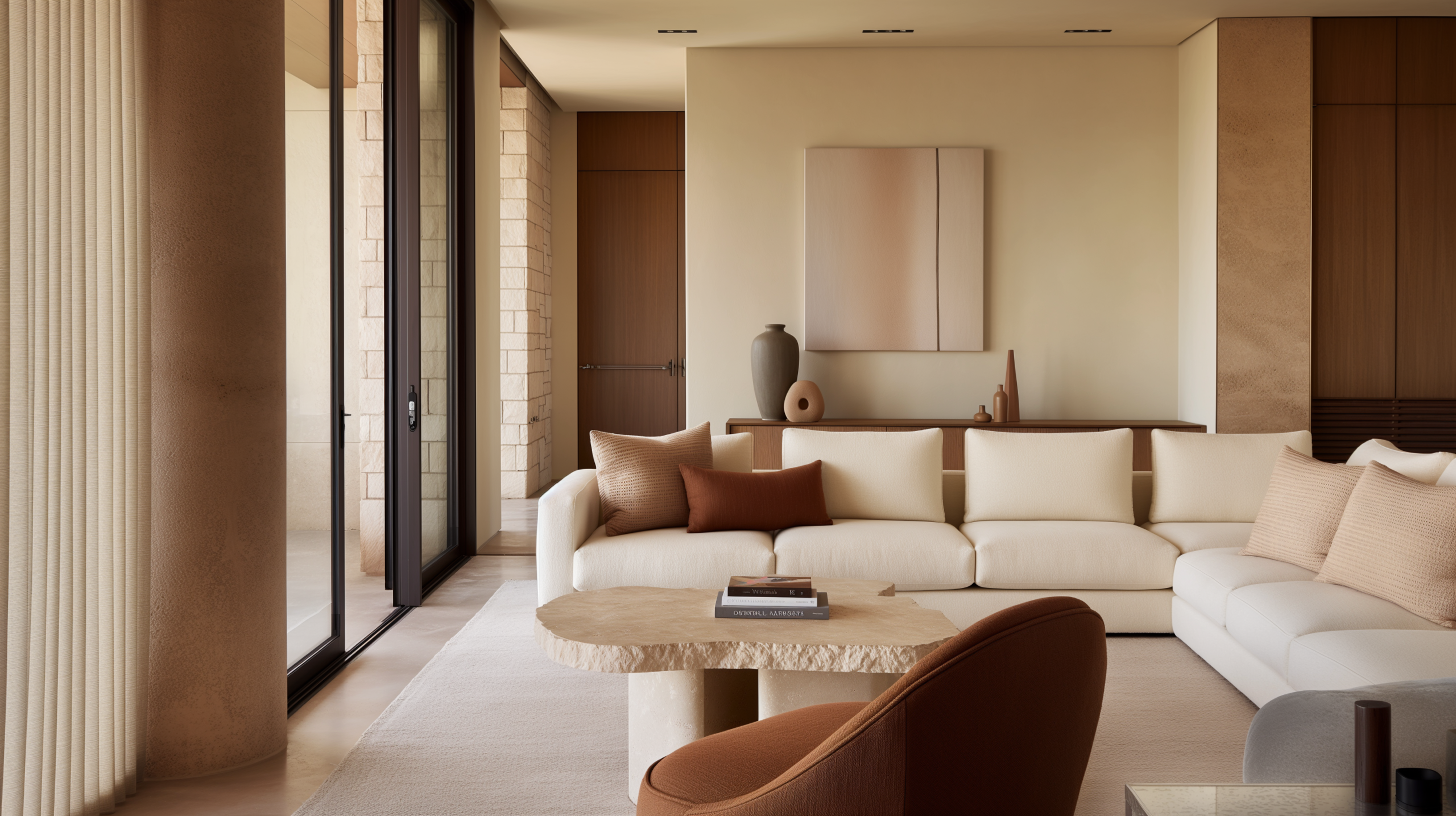
There was a time when rooms didn’t dissolve into one another – you entered them.
You crossed a line – sometimes a door, sometimes only light or shadow – and something shifted. Your body registered the change before your mind caught up. The outside world softened. The pace altered. You arrived.
These moments are called thresholds.
And somewhere along the way, we decided we no longer needed them.
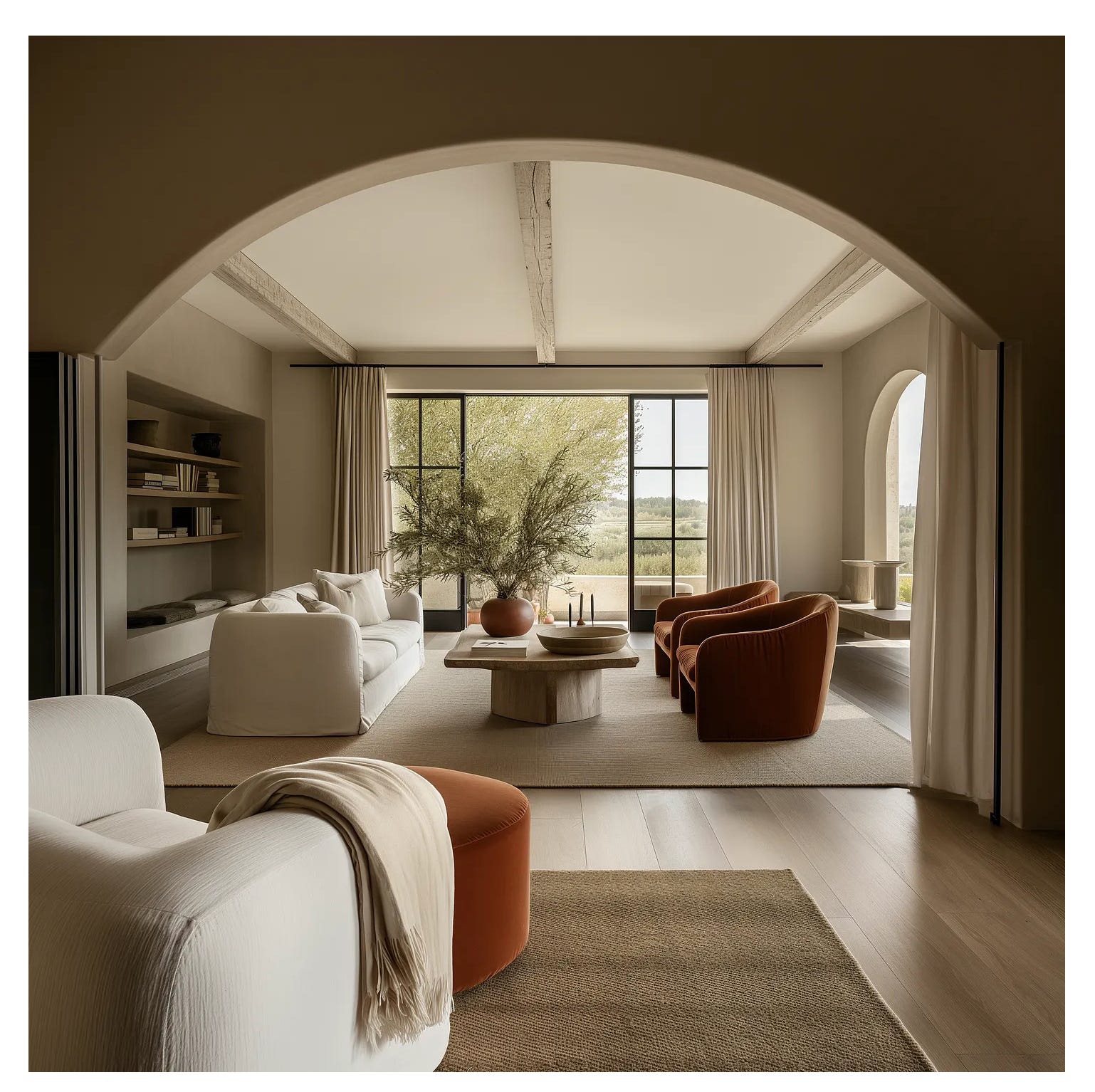
Arrival Has Disappeared
Modern interiors prize openness – flow, continuity.
Walls came down. Sightlines stretched. Rooms blurred together in the name of ease and openess.
And yet, many people now describe their homes as restless – beautiful, but strangely difficult to settle into.
When everything connects, nothing truly begins.
Arrival has quietly vanished from domestic life.
And with it, the subtle emotional reset that allows us to move from one state to another – from outside to inside, from activity to rest, from public to private.
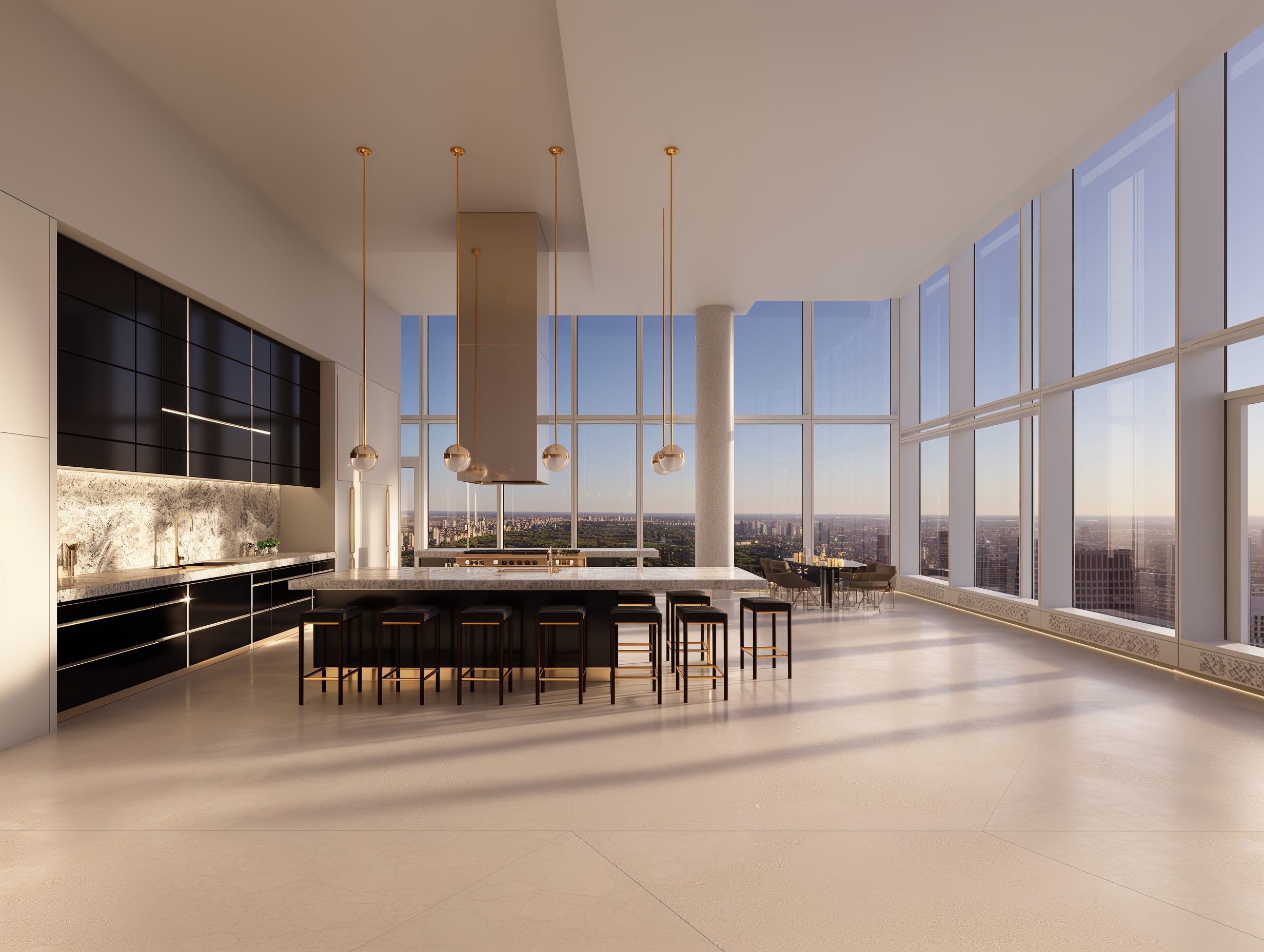
The Rise of the Great Room
For many years, openness has been presented as the architectural ideal – a generous, light-filled space where kitchen, dining, and living gather into one continuous heart.
This wasn’t a sudden invention.
Long before the “Great Room” was named, partitions were already dissolving – from loft conversions to late-century modern planning – in pursuit of flexibility, informality, and light.
The Great Room simply crystallised this shift into a domestic aspiration.
In warmer climates, and in homes built with space to spare, this model breathes easily.
Heat drifts. Inside and outside soften into one another. Boundaries loosen without tension.
But as the ideal travelled – into older buildings, cooler atmospheres, and more layered patterns of daily life – it was often adopted without translation.
Walls were removed.
Pauses were not replaced.
The centre of the home expanded – and quietly lost definition.
What disappeared wasn’t connection.
Nor togetherness.
It was the space between –
the moment of transition that allows us to arrive.
What a Threshold Really Is
A threshold isn’t about separation.
It’s about transition.
It is the pause that allows one experience to dissolve before the next begins – a moment of recalibration felt before it is understood.
A threshold signals: something is changing now.
It doesn’t require a door or a wall.
Often, the most powerful thresholds are barely visible – a shift in light, a narrowing of space, a change underfoot.
They work quietly, but deeply.
In a world with fewer edges – endless scrolling, open inboxes, blurred boundaries – the home has quietly become our last place of reset.
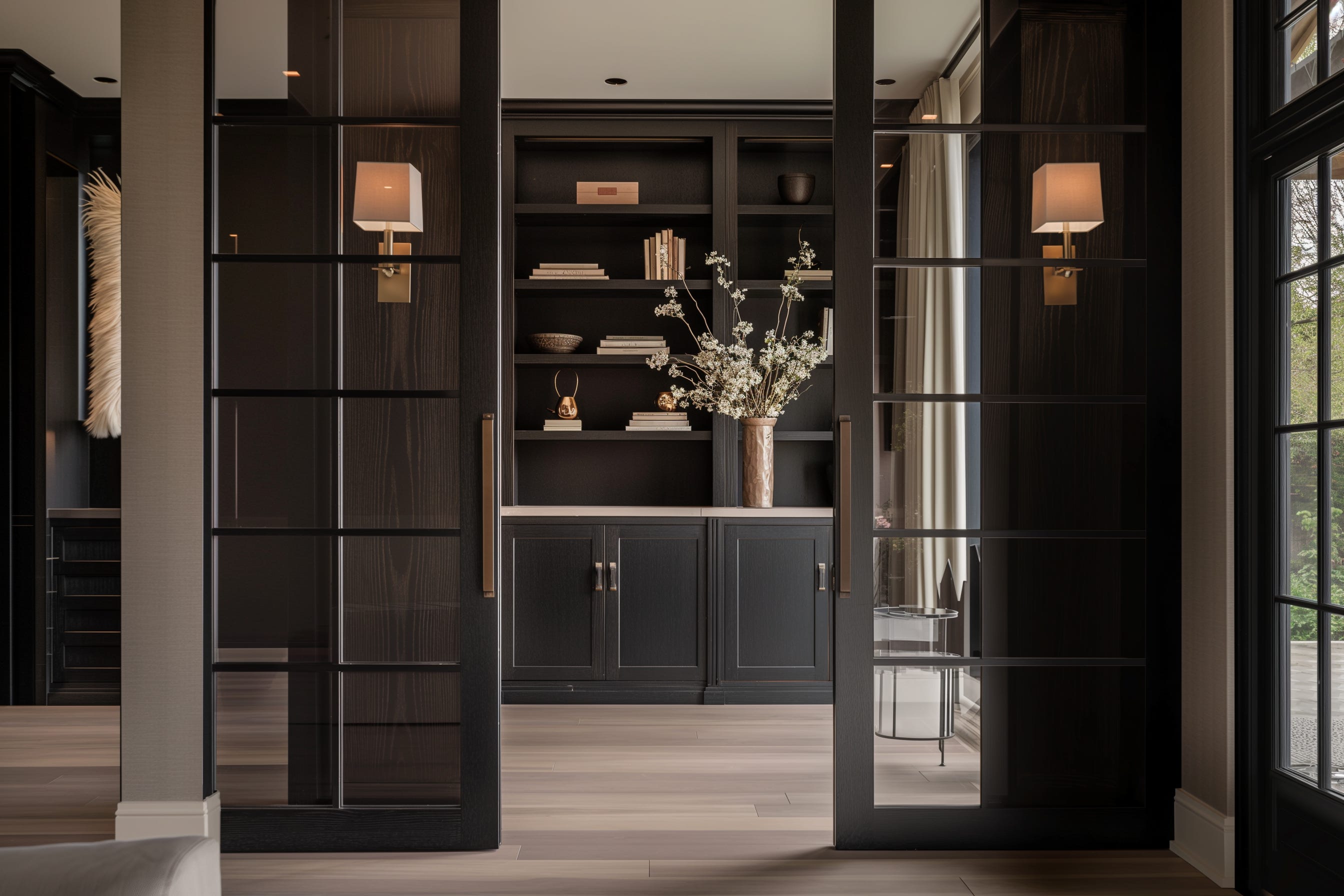
Edges as Emotional Architecture
Good interiors don’t just accommodate movement.
They choreograph it.
A well-considered threshold might be a moment of compression before release, shadow before brightness, or softness before stillness. These cues help the body understand how to behave in a space – when to slow, when to gather, when to rest.
This is emotional architecture.
Not decorative. Not symbolic.
But felt.
Why Open Plan Needs Edges
Open-plan living has given us generosity, light, and togetherness – and I love it. But without moments of transition, even the most beautiful spaces can feel emotionally unresolved.
Open plan isn’t the problem.
Unedited openness is.
Without thresholds, the home is asked to hold every role at once: workplace, family hub, retreat, social space. These states collide rather than transition.
What’s missing isn’t openness –
it’s containment within openness.
Edges give expansive spaces rhythm.
They allow different moods to coexist without competing.
They introduce hierarchy, calm, and clarity without sacrificing light or generosity.
Designing the In-Between
Reintroducing thresholds doesn’t mean building walls everywhere.
It means designing moments.
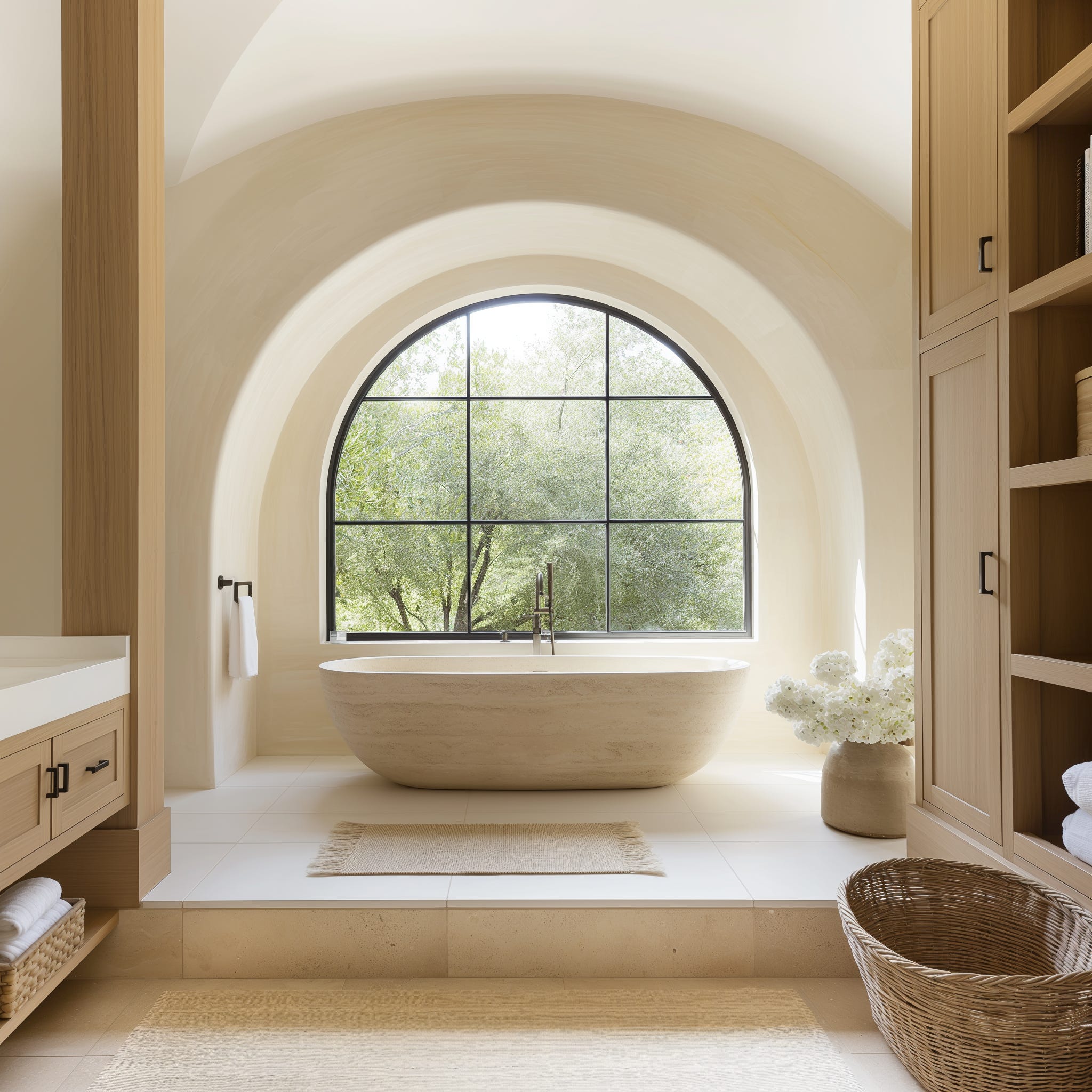
A subtle step in level.
A change in ceiling height.
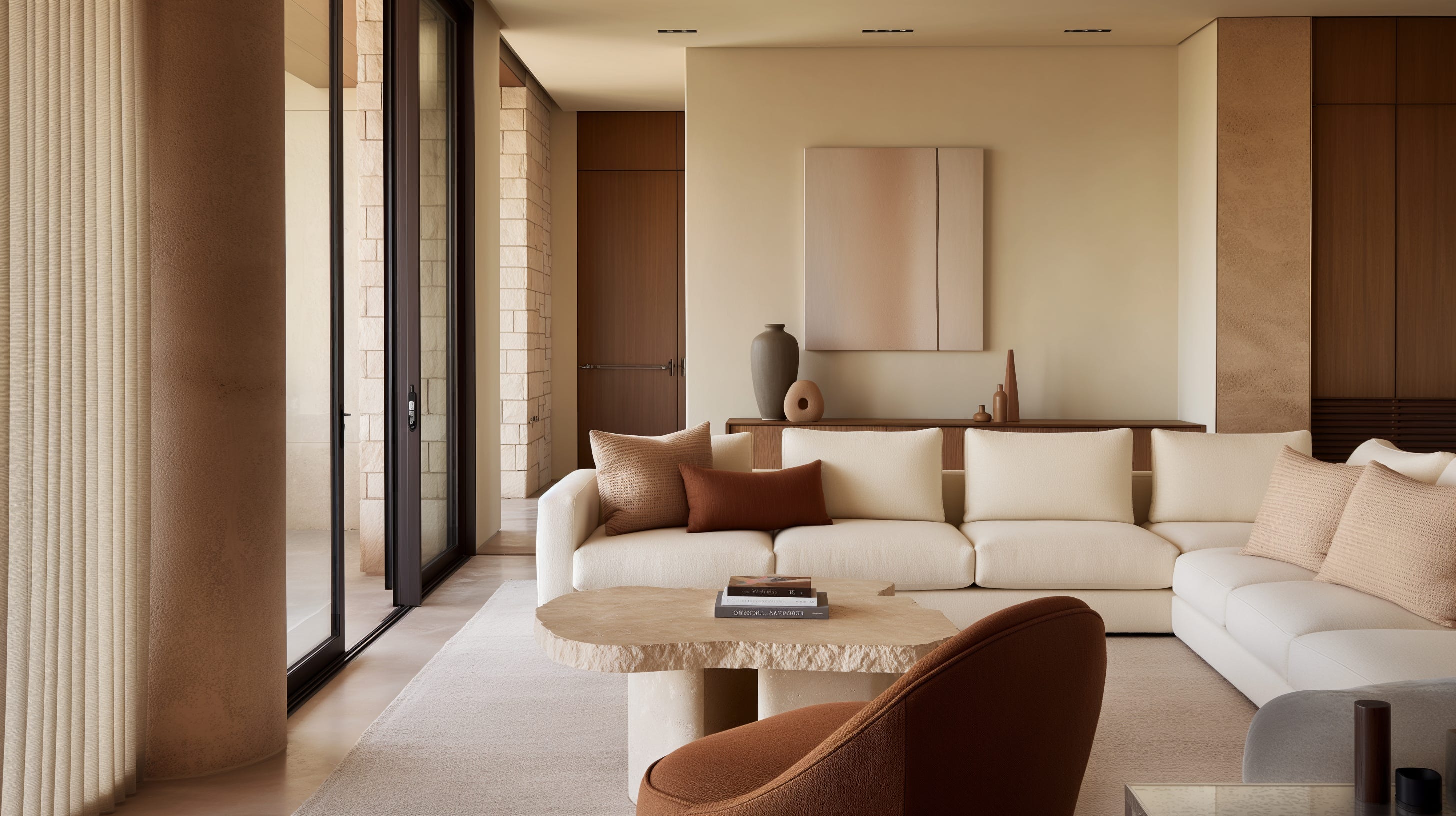
A curtain instead of a door.
A shift in material, texture, or acoustics.
A framed view that signals pause before entry.
A shift in scent, sound, or temperature.
Historically, these gestures were reinforced by necessity – rugs to hold warmth, doors to manage heat, curtains to soften draughts. Not decorative decisions, but behavioural ones.
They shaped how long we stayed, where we gathered, how we rested.
These gestures don’t shout.
They guide us.
They allow the body to arrive before the mind needs to.
Containment as Care
Thresholds are a form of care.
They offer permission to leave one state behind before entering another.
They shape spaces that feel held rather than exposed – restorative rather than performative.
Containment isn’t confinement.
It is what allows us to soften.
To settle.
To relax.
A Return to Gentle Boundaries
This isn’t about nostalgia.
It’s about necessity.
We don’t need more openness.
We need better transitions.
Thresholds remind us that movement matters – that pauses are valuable – and that arriving is as important as being there.
A threshold is an act of kindness –
a quiet edge that allows life, and light, to change with grace
From The Reverie Edit
Kate
Reverie
